
Enclosed Car Transport | Los Angeles, CA
Enclosed car transport moves vehicles inside a covered trailer, helping shield them from direct exposure to weather and road debris. Explore enclosed vehicle shipping options with SolidLine Auto Transport in Los Angeles, California.
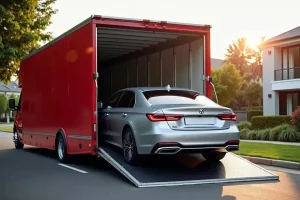
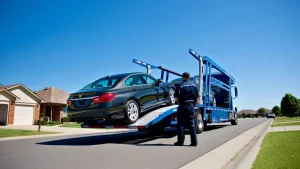
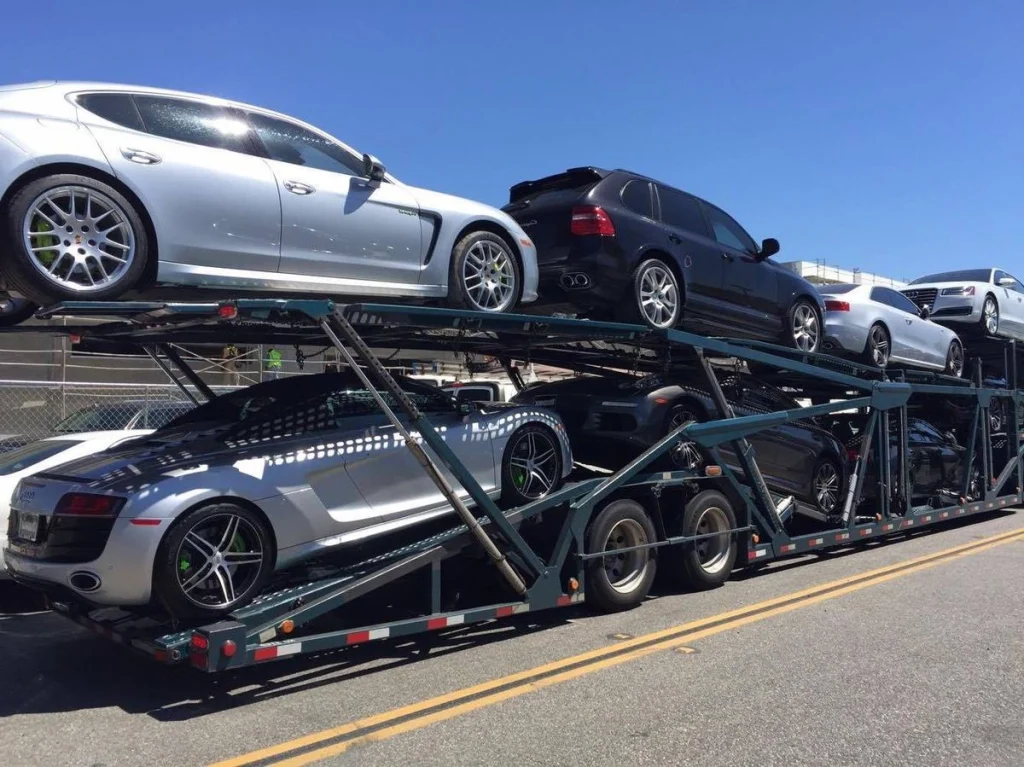
Enclosed Car Transport in Los Angeles, CA
Some vehicles require special consideration when transportation is being arranged. Owners of classic cars, collectible automobiles, luxury vehicles, and specialty cars may prefer a transport method that provides an additional barrier against outdoor conditions.
Enclosed car transport moves a vehicle inside a covered trailer rather than on an open carrier. This arrangement helps protect the vehicle from direct exposure to rain, dust, and road debris during transit.
SolidLine Auto Transport offers enclosed car transport as one of its vehicle shipping options. Customers can discuss their vehicle, destination, scheduling needs, and preferred level of protection before determining whether enclosed transportation is suitable.
What Is Enclosed Auto Transport?
Enclosed auto transport uses a trailer with an exterior enclosure to carry vehicles during transportation. The vehicle remains inside the covered space while being moved between pickup and delivery locations.
This differs from open transport, where vehicles travel on an uncovered trailer and remain exposed to outdoor conditions.
Enclosed transportation may be available in different equipment configurations. The appropriate carrier depends on the vehicle’s size, ground clearance, weight, loading requirements, and route.
Before arranging transportation, confirm the type of trailer being offered and whether it can accommodate your vehicle.
Who Should Consider Enclosed Car Shipping?
Classic car owners: Older vehicles may have original paintwork, trim, or components that owners want to protect from unnecessary exposure.
Collectible vehicle owners: Vehicles maintained for collection purposes may warrant additional consideration when selecting a transportation method.
Luxury vehicle owners: Some owners prefer enclosed shipping when moving a vehicle that represents a significant investment.
Specialty and modified vehicles: Certain low-clearance or modified automobiles may require specialized loading equipment. Suitability must be confirmed with the carrier.
Enclosed transport is not automatically necessary for every vehicle. The decision should reflect the vehicle’s characteristics, the route, the available equipment, and the owner’s priorities.
Benefits of Enclosed Vehicle Transport
The main advantage is the additional physical barrier between the vehicle and outdoor conditions.
An enclosed trailer helps shield the car from direct exposure to rain, dust, and road debris. This can be an important consideration when the condition of the exterior is a priority.
Another benefit is that enclosed shipping gives customers an alternative to open transport when a covered trailer better matches their requirements.
However, an enclosed trailer does not eliminate every transportation risk. Loading, unloading, road conditions, and other operational factors still matter. Customers should review the carrier’s procedures and applicable insurance details rather than assuming that a particular outcome is guaranteed.
Enclosed Transport vs. Open Transport
Open car transport is commonly used for standard vehicles and often costs less. It can be a practical choice when the owner is comfortable with the vehicle’s exposure to outdoor conditions.
Enclosed transport generally costs more because it uses different equipment and operating arrangements. Availability may also be more limited for some routes.
When comparing the options, consider the vehicle’s value, exterior condition, ground clearance, budget, and destination.
Ask for a route-specific quote for both methods if you are uncertain which offers the best balance for your circumstances.
Factors That Influence Enclosed Shipping Costs
Enclosed car transport pricing may depend on the following:
- Transportation distance and route.
- Vehicle size, weight, and dimensions.
- Vehicle condition and loading requirements.
- Trailer availability for the requested dates.
- Pickup and delivery location accessibility.
- Seasonal demand and scheduling flexibility.
- Any special handling requirements accepted by the carrier.
A vehicle with unusual dimensions or very low ground clearance may require specific equipment. Disclose modifications and relevant measurements when requesting a quote.
Preparing a Vehicle for Enclosed Transport
Start by photographing the vehicle’s existing condition. Capture the exterior from multiple angles and document any scratches, dents, or other visible concerns.
Remove personal belongings unless their carriage has been explicitly approved. Secure or remove detachable accessories according to the carrier’s instructions.
Tell the provider about any mechanical problems, modified suspension, low ground clearance, or special loading requirements. Make sure the pickup and delivery arrangements are suitable for the assigned equipment.
At pickup, review the vehicle condition documentation. At delivery, inspect the vehicle and report any concerns according to the applicable carrier procedures.
Questions to Ask Before Booking
Before confirming enclosed transportation, ask whether the requested trailer is available for your route, what equipment will be used, and whether the vehicle’s dimensions are suitable.
Clarify the estimated schedule, full price, payment terms, cancellation policy, and the carrier’s applicable insurance coverage. Request written confirmation of the details that matter to you.
If a third-party carrier will perform the transportation, establish the provider’s role and obtain the relevant carrier information before the shipment begins.
Arrange Enclosed Car Transport in Los Angeles
If you are looking for an alternative to open vehicle shipping, SolidLine Auto Transport can discuss your enclosed car transport requirements and the available arrangements for your route.
Whether you are moving a classic vehicle, a collectible automobile, or another car that warrants additional protection from outdoor exposure, start by explaining your vehicle’s needs.
Call (213) 772-3820 or visit http://solidlineautotransport.us to discuss enclosed car transport from Los Angeles, California.
Auto Transport FAQs
Find answers to some common questions about car shipping and vehicle transportation.
How much does it cost to ship a car from Los Angeles?
The cost of shipping a car from Los Angeles depends on the transportation distance, vehicle size, vehicle condition, transport method, pickup and delivery locations, and carrier availability. Enclosed transport generally costs more than open transport. Contact SolidLine Auto Transport at (213) 772-3820 to discuss your route and request a quote.
What is the difference between open and enclosed car transport?
Open car transport moves vehicles on an uncovered carrier, making it a common option for standard cars and SUVs. Enclosed car transport places vehicles inside a covered trailer, providing an additional barrier against direct exposure to weather and road debris. The right choice depends on your vehicle, budget, and transportation preferences.
Is door-to-door auto transport available everywhere?
Door-to-door auto transport aims to arrange pickup and delivery near your requested locations. However, narrow streets, parking restrictions, traffic regulations, and carrier access limitations can prevent a truck from reaching a specific address. If necessary, an accessible nearby meeting point can be discussed before pickup.
How long does state-to-state car shipping take?
The time required depends on the distance, route, carrier schedule, weather, traffic, and pickup and delivery arrangements. Cross-country shipments generally involve different scheduling considerations from shorter interstate routes. Ask for an estimated pickup window and delivery timeframe when requesting a quote.
How should I prepare my car for transportation?
Clean your vehicle if practical, remove personal belongings, photograph its existing condition, and disclose mechanical issues or vehicle modifications. Keep the necessary keys available and follow the carrier's instructions regarding fuel and vehicle preparation. Confirm the pickup and delivery arrangements before the scheduled transportation date.