
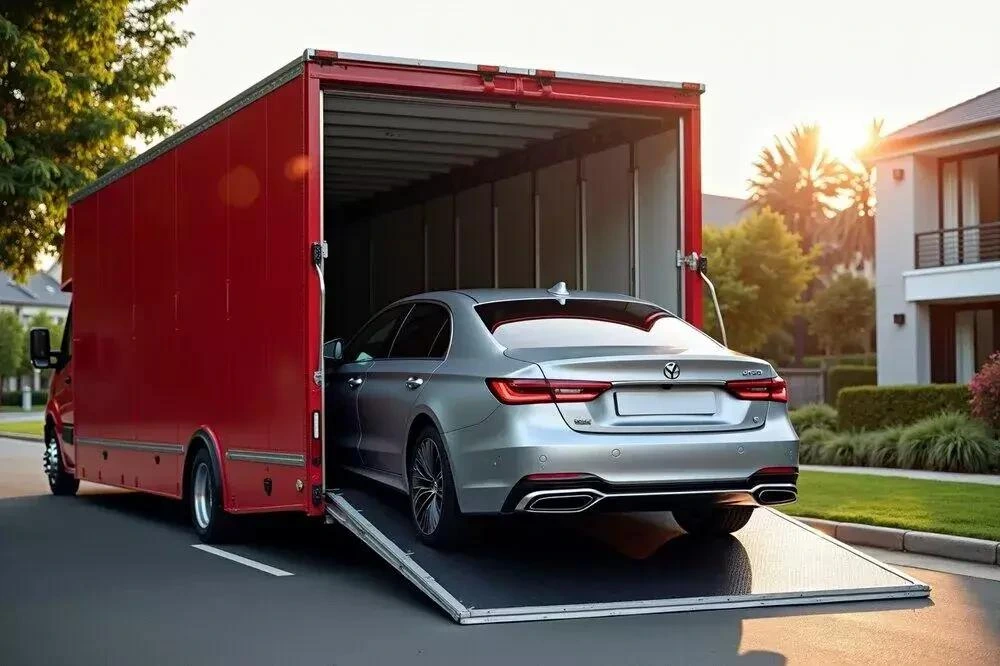
Moving a vehicle across state lines can be a practical alternative to driving it yourself. Whether you are relocating for work, moving to a new home, purchasing a vehicle from another state, or coordinating a long-distance move, auto transport can help simplify the process.
State-to-state auto transport involves arranging the movement of a vehicle between locations in different states. The right arrangement depends on your route, vehicle condition, preferred transport method, timing, and budget.
For vehicle owners in Los Angeles, California, understanding the process before requesting a quote can make planning easier.
What Is State-to-State Auto Transport?
State-to-state auto transport is the transportation of a vehicle from one state to another using an appropriate vehicle carrier.
Instead of driving the entire route yourself, you arrange for a transport provider or carrier to move the vehicle to the destination.
This service may be useful for:
- Families relocating to another state
- Professionals moving for a new job
- Students moving away for education
- Individuals purchasing vehicles from out of state
- Owners transporting specialty or classic vehicles
- People coordinating long-distance household moves
The most appropriate transportation arrangement depends on the vehicle, route, timing, and service requirements.
Step 1: Determine Your Pickup and Delivery Locations
Begin by identifying the pickup and destination addresses or the general areas where the vehicle will be collected and delivered.
Accurate location details help the transport provider evaluate the route and determine whether the requested locations are suitable for the carrier.
Consider practical access requirements such as narrow streets, parking restrictions, residential access limitations, and large-truck maneuvering space.
If direct access is not possible, you may need to arrange an accessible nearby meeting point.
Step 2: Choose Between Open and Enclosed Transport
Open and enclosed transport are two common options for shipping a vehicle across state lines.
Open transport moves vehicles on an uncovered trailer. It is commonly used for everyday cars and may offer a more economical option.
Enclosed transport places vehicles inside a covered trailer. It may be preferable for classic cars, collectible automobiles, or vehicles whose owners want additional protection from outdoor conditions and road debris.
Compare the expected cost, available equipment, vehicle suitability, and scheduling requirements before deciding.
Step 3: Request a Route-Specific Quote
Auto transport pricing varies according to the details of the shipment.
When requesting a quote, provide:
- Vehicle make, model, and year
- Vehicle condition and operability
- Pickup location
- Delivery location
- Preferred pickup timeframe
- Open or enclosed transport preference
- Any modifications or special loading requirements
Distance is important, but it is not the only pricing factor. Vehicle size, carrier availability, route demand, access limitations, and timing may also affect the quote.
Ask whether the quoted amount is a firm price or an estimate and clarify any possible additional charges before agreeing to the arrangement.
Step 4: Confirm the Transportation Arrangement
Before booking, review the service details carefully.
Confirm the pickup and delivery arrangements, expected scheduling window, payment terms, cancellation policy, and communication process.
If the provider acts as a broker, ask how the carrier will be assigned and what information will be supplied about the company transporting your vehicle.
Request the carrier’s applicable insurance information and clarify how damage claims are handled.
Do not rely on verbal assumptions when important terms can be confirmed in writing.
Step 5: Prepare Your Vehicle
Preparing your car before pickup helps make the inspection and loading process more organized.
Wash the exterior if practical and photograph the vehicle from several angles. Record existing scratches, dents, and other visible damage.
Remove personal belongings and unnecessary accessories. Check for leaks and disclose any mechanical problems or unusual vehicle dimensions.
Keep the keys available and follow the carrier’s instructions regarding fuel level, vehicle condition, and required documentation.
If the vehicle is inoperable, disclose this before booking because specialized loading arrangements may be necessary.
Step 6: Understand Pickup and Delivery Inspections
At pickup, review the vehicle condition report or inspection documentation. Make sure existing damage is recorded accurately and retain a copy if provided.
At delivery, inspect the vehicle before completing the handover. Compare its condition with the pickup documentation and take photographs if you identify a concern.
If you notice new damage, document it promptly and follow the carrier’s reporting requirements and applicable claims process.
Keep the booking details, inspection records, photographs, and relevant communication until the transportation arrangement is fully resolved.
How Long Does State-to-State Auto Transport Take?
Transit time varies by distance, route, carrier scheduling, weather, traffic, road conditions, pickup and delivery access, and other operational factors.
A nearby interstate shipment may require less transit time than a cross-country shipment, but the actual schedule depends on the specific route and transportation arrangement.
Ask for an estimated pickup window and delivery timeframe when requesting a quote. Confirm how delays will be communicated and avoid making inflexible plans based solely on an unconfirmed estimate.
How Much Does State-to-State Car Shipping Cost?
There is no single price that applies to every interstate vehicle shipment.
The quote may reflect distance, vehicle dimensions, transport method, route demand, timing, vehicle operability, and location accessibility.
Enclosed transport generally costs more than open transport. An inoperable vehicle may also require special loading equipment.
The most useful way to compare prices is to provide the same shipment details to each provider and review the included services, payment terms, cancellation conditions, and carrier arrangements.
A low initial quote is not necessarily the best choice if the terms are unclear.
Common Mistakes to Avoid
Avoid these common problems when arranging interstate car shipping:
- Providing inaccurate vehicle details
- Waiting until the last minute to arrange transportation
- Leaving personal belongings inside without approval
- Failing to photograph existing damage
- Ignoring pickup and delivery access restrictions
- Assuming delivery dates are guaranteed
- Overlooking cancellation and payment terms
- Failing to verify the carrier and applicable insurance arrangements
Careful preparation and clear communication can reduce avoidable complications.